
Meet Timothy Mooring: Conservation Filmmaker and Gorilla Creative Film Scholarship Recipient
Published on
June 16, 2026
Estimated reading time:
6
minutes
Growing up on a small university campus in San Diego, Timothy Mooring had something most kids could only dream of: a wild canyon right outside his door. His father, a biology professor at Point Loma Nazarene University, had settled the family into campus housing that sat on the edge of an untamed stretch of land, between the university and a nearby Navy base. For Timmy, it was everything.
"I think I was one of the luckiest kids alive," he says. "I had the canyon on one side and the soccer pitch on the other."
He and the neighborhood kids would spend hours in that open space, making hand-drawn maps of their imaginary territories. But some of his most formative memories weren't the ones full of running and shouting; they were the quiet ones: a scrub jay landing on a branch just a few feet away, or a red-tailed hawk perched on a fence post. Those moments of unexpected closeness with wildlife left a mark that would develop into his adulthood.
During the summers, his father's research took the family to a wildlife refuge in Nebraska, where rolling plains replaced the canyon. There, a flash of an American goldfinch or a new bird spotted in the field guide would pull young Timmy's attention out of whatever else he was doing. By the time he reached high school, he knew two things for certain: he loved science, and he loved the natural world.
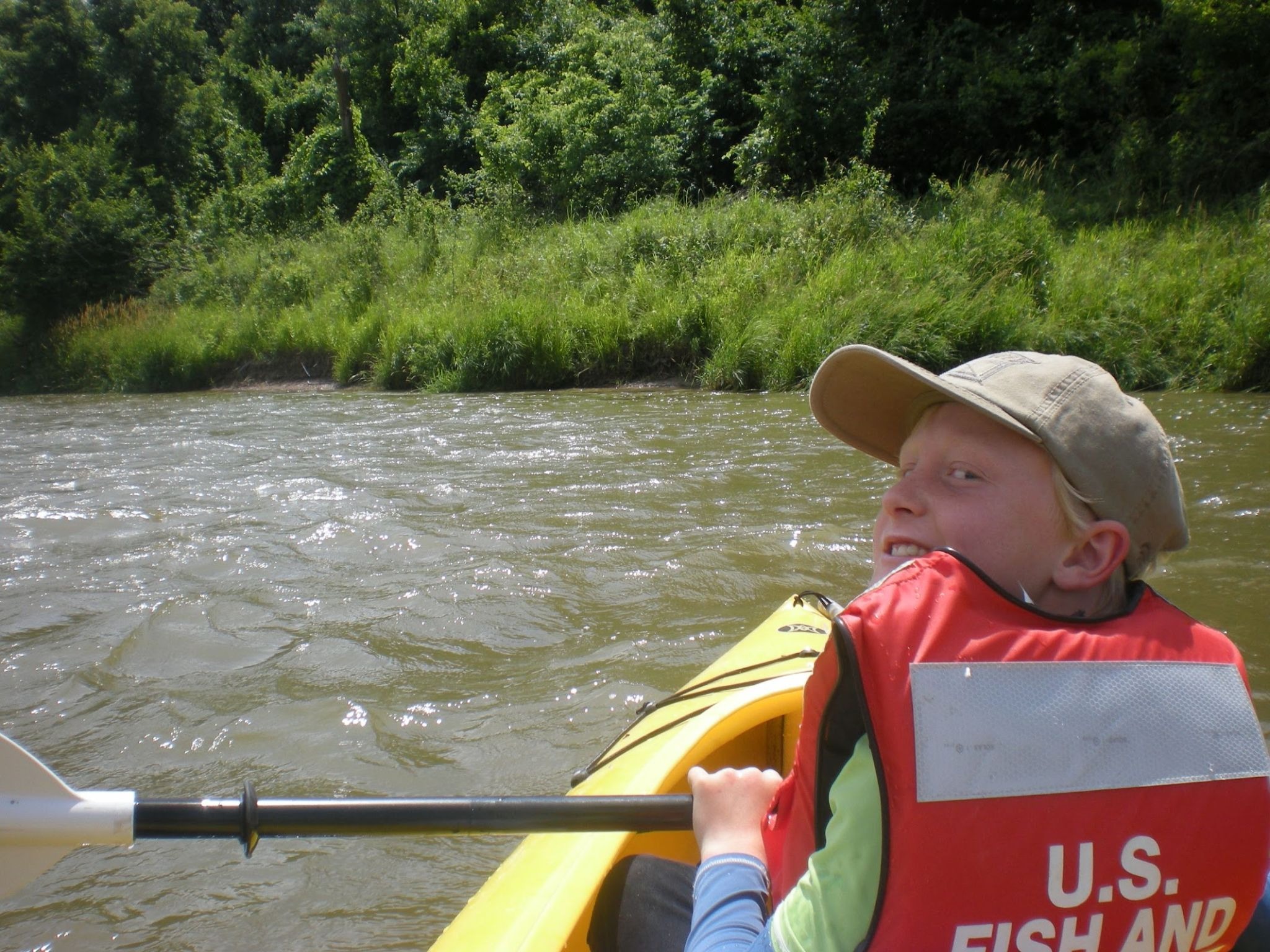
Timmy went on to earn an undergraduate degree in Environmental Studies at Point Loma Nazarene University, then spent years working in ecological monitoring, land conservation, mammalogy, environmental education, and environmental sociology. He carried a Nikon Coolpix camera with him everywhere; not for any professional reason, just because he couldn't stop capturing the wildlife he encountered in the field.
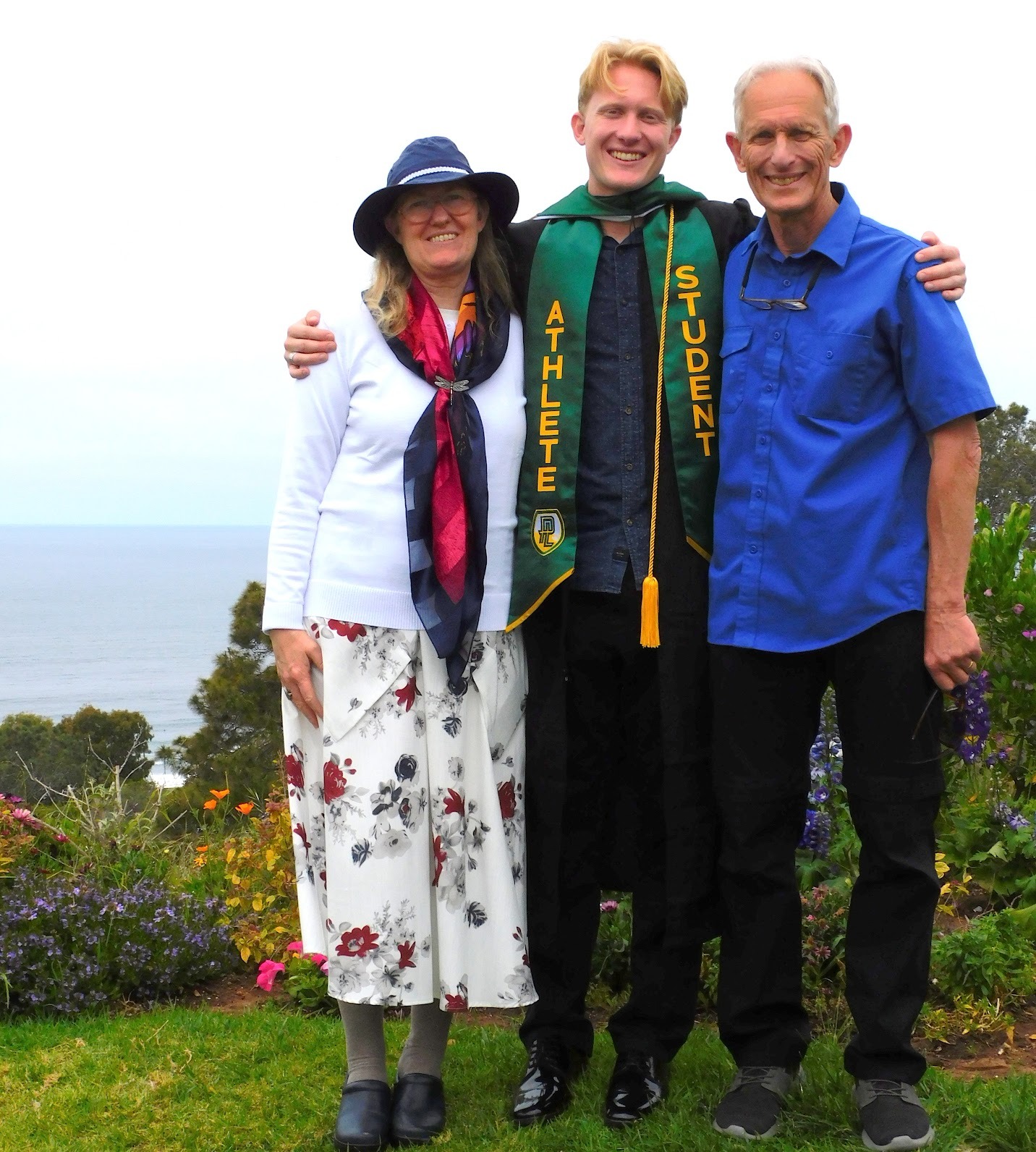
The pivot toward filmmaking didn't come from a single moment of inspiration. It came from a friend.
"I was doing forestry work in Colorado," Timmy recalls, "and a friend looked at my photos and said, 'You should really try to do something with this.' I hadn't considered it as a real possibility before." That nudge sent him looking at graduate programs, and in that search he stumbled across something he hadn't known existed: a Master of Fine Arts in Science and Natural History Filmmaking at Montana State University. "As soon as I saw it, I knew I wasn't applying anywhere else," he says. "They were specifically looking for people with science backgrounds who didn't know anything about film. That was me."
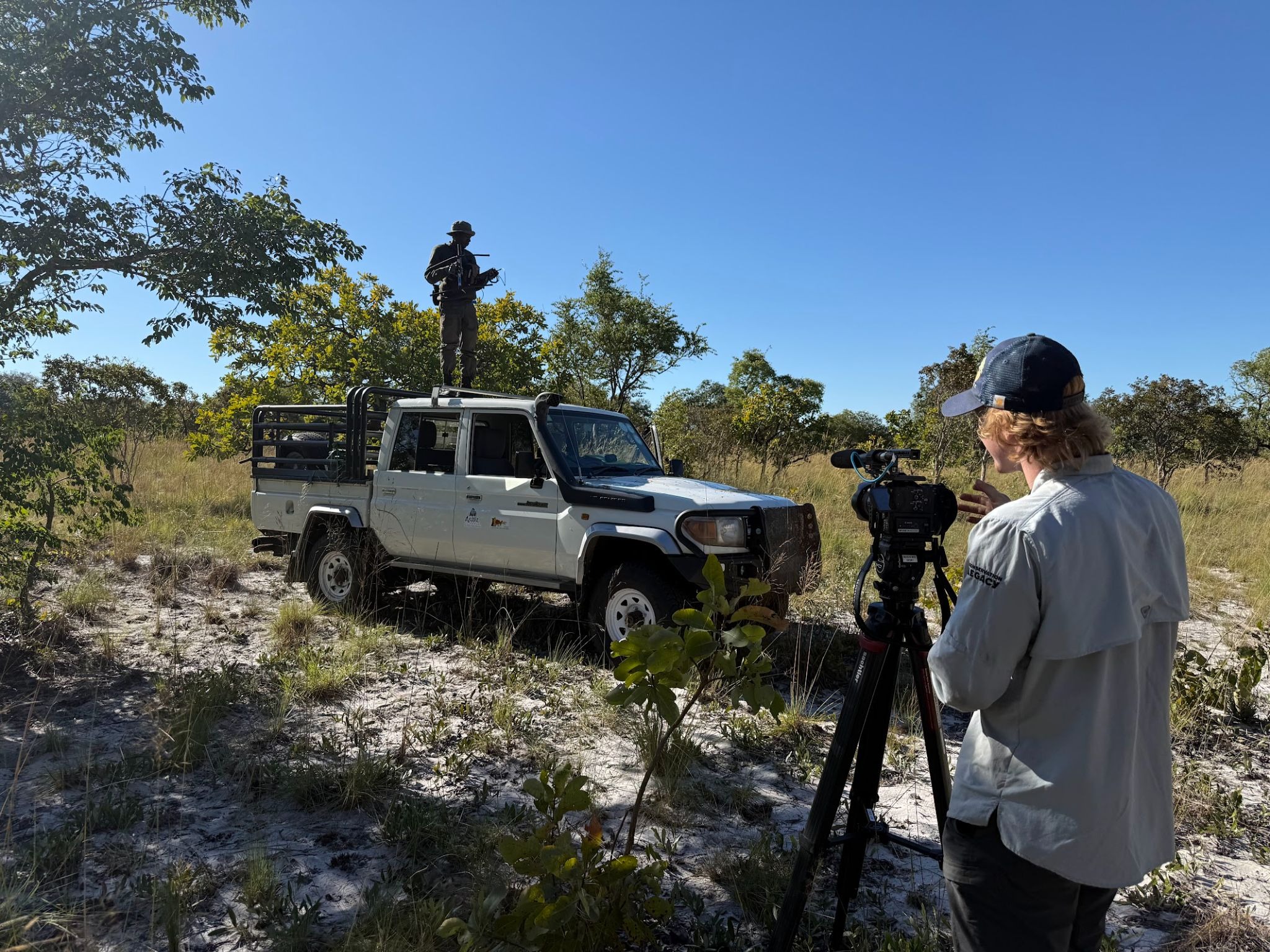
Now in his thesis year and set to graduate in 2027, Timmy has already produced work that reaches well beyond the classroom. Last year, he traveled to Zambia as part of a program internship, where he spent weeks embedded with a conservation organization, interviewing researchers, filming fieldwork, and capturing wildlife entirely on his own. The result: his Wildebeest Collaring Project was shot on a Canon C70 borrowed from Montana State's equipment checkout and edited solo, down to sourcing the music himself.
But the project that might best capture the filmmaker Timmy is becoming is one he's still in the middle of making. It centers on the American marten (a small, weasel-like mammal found in Montana's mountain ranges) and the unlikely alliance between researchers and trappers. They are working together to understand whether marten populations carry enough genetic diversity to survive as their habitats become increasingly fragmented.
"On the outside, you could look at trappers and say, 'These people don't care,'" Timmy explains. "But that's not it at all. They care deeply about the species. They want their kids to be able to have those same traditions." He pauses. "I grew up in a very anti-hunting, anti-trapping household. But conservation is rarely as simple as one side being right."
That complexity and the patience to hold it honestly is at the heart of what Timmy wants to do as a filmmaker. Rather than framing conservation as a battle between destroyers and defenders, he's drawn to the stories that live in between: where two people who seem to be on opposite sides are, in fact, both trying to preserve something they love.
That spirit of human connection runs through his approach to the craft itself. When asked what he enjoys most about filmmaking, Timmy doesn't mention cameras or edits. He talks about people.
His first major project in the program was a portrait film: a five-minute documentary about a non-traditional graduate student he met by chance while volunteering at a hawk conservation event. The woman was doing fascinating research in microbiology, and Timmy ended up spending weeks getting to know her and her work. "It was really special seeing her reaction to the film," he says. "But even more than that, we stayed friends. I've been up to see her research since then." That relationship meant more to him than the film itself.
It's a philosophy that echoes one of his favorite quotes, from Jane Goodall: "If you really want someone to change, it's no good arguing with them — you've got to touch their heart." For Timmy, that's not just a goal for his audience. It's what happens to him every time he picks up a camera.
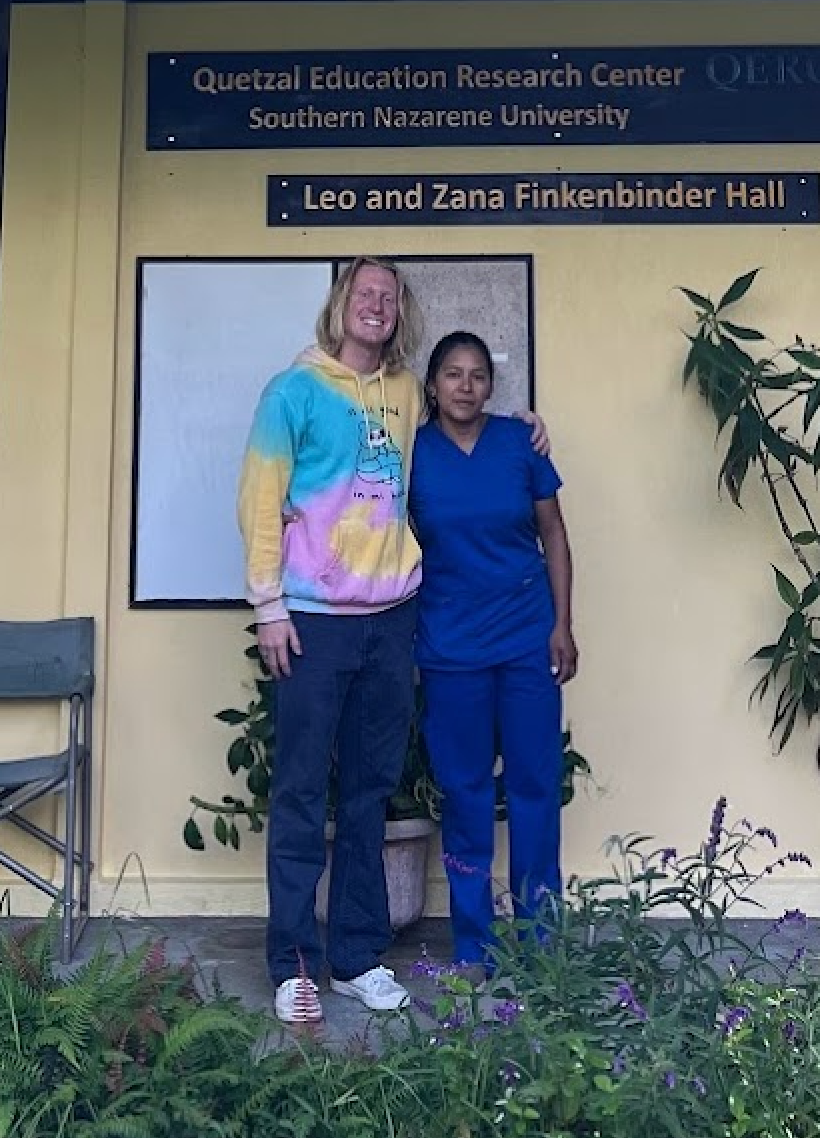
His most recent film, still in its final stages before a festival run, is about an urban wetland tucked into the middle of San Diego. It’s a place where great blue herons hunt in the foreground while buses roll past in the back. "People and wildlife don't have to be separate," he says. "There's beautiful wildlife even on top of a telephone wire. I want people to feel like the wild places they already live near are worth protecting."
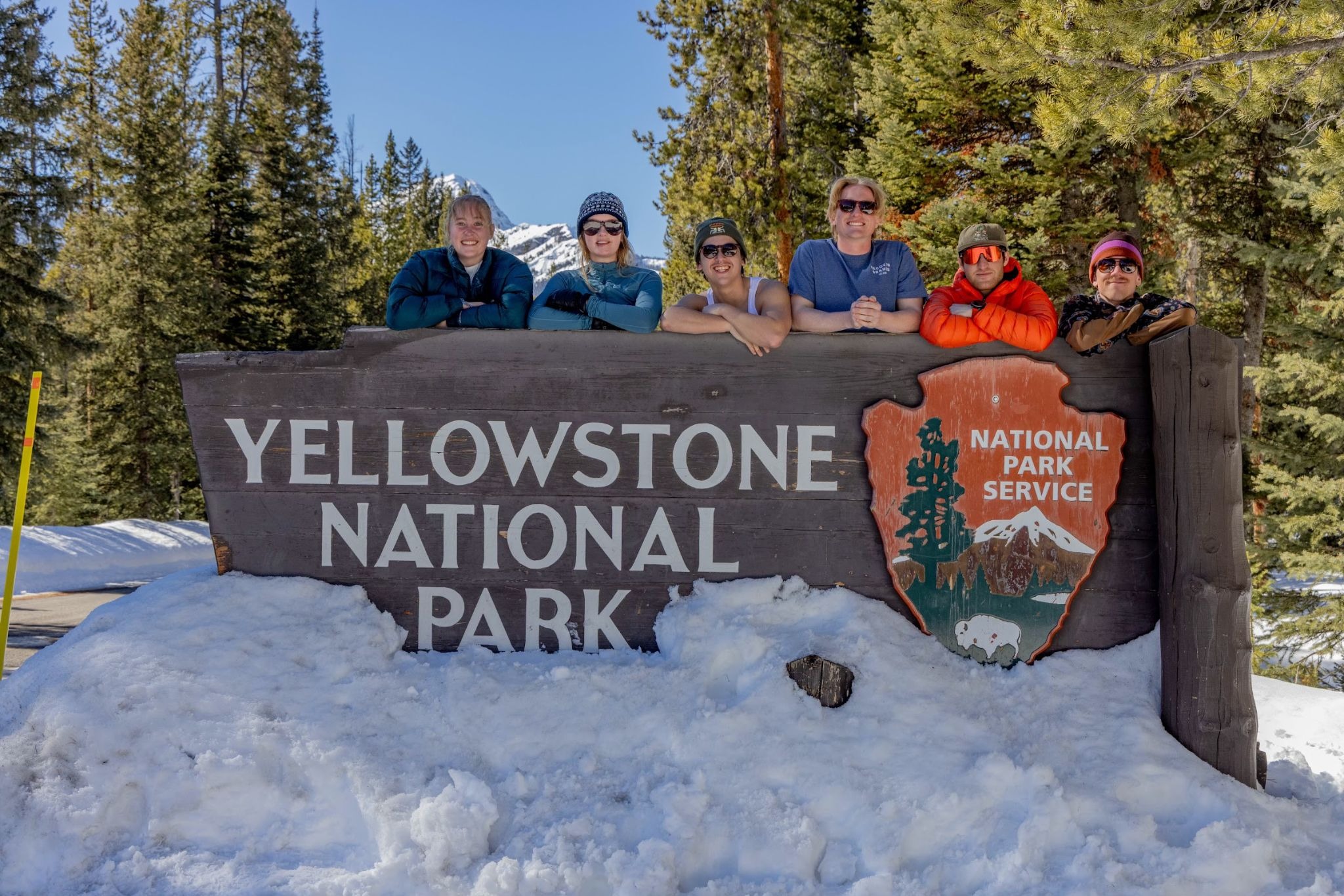
After graduation, Timmy and his cohort plan to launch a production company together, pooling their different strengths to keep telling these kinds of stories. His own role will likely lean toward what he does best: connecting people who care deeply about the environment and the wildlife in it, and then, finding a way to move the rest of the community care too.
We are proud to recognize Timothy Mooring as a Gorilla Creative Film Scholarship recipient and excited to see how his work continues to grow. You can see more of his projects on his Vimeo page. Aside from supporting him through the scholarship funds, we will be conducting a personal AMA where he can spend time talking with the team at Gorilla Creative to learn more about video production from working professionals. Congratulations, Timmy!
Author:
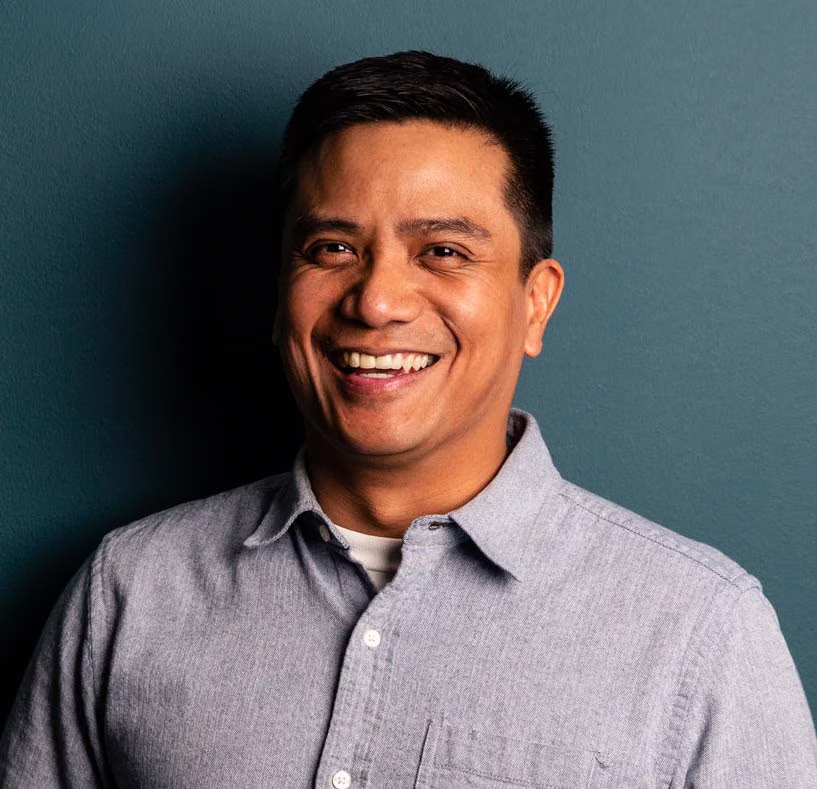
Nelson Nunez
He holds a B.S. in Television & Film from SDSU, is a Certified Project Management Professional (PMP®), and a Certified Scrum Master (CSM®). He loves bringing people together and continually fine-tuning our process to synergize our team like a Formula 1 pit stop crew.


Gorilla Creative is a full service corporate video production company located in San Francisco, California.
hello@gorillacreative.com | (415) 907-4427 | 535 Mission St, Floor 14, Suite 1681, San Francisco, CA 94105
© 2026 Gorilla Creative. All rights reserved. Privacy Policy